

Vise hospital centre, Pantakalava cross road, Kanuru,
Tadigadapa,
Vijayawada,
Andhra Pradesh - 520007
Fatty Liver Disease
Understanding Fatty Liver Disease: Causes & Symptoms
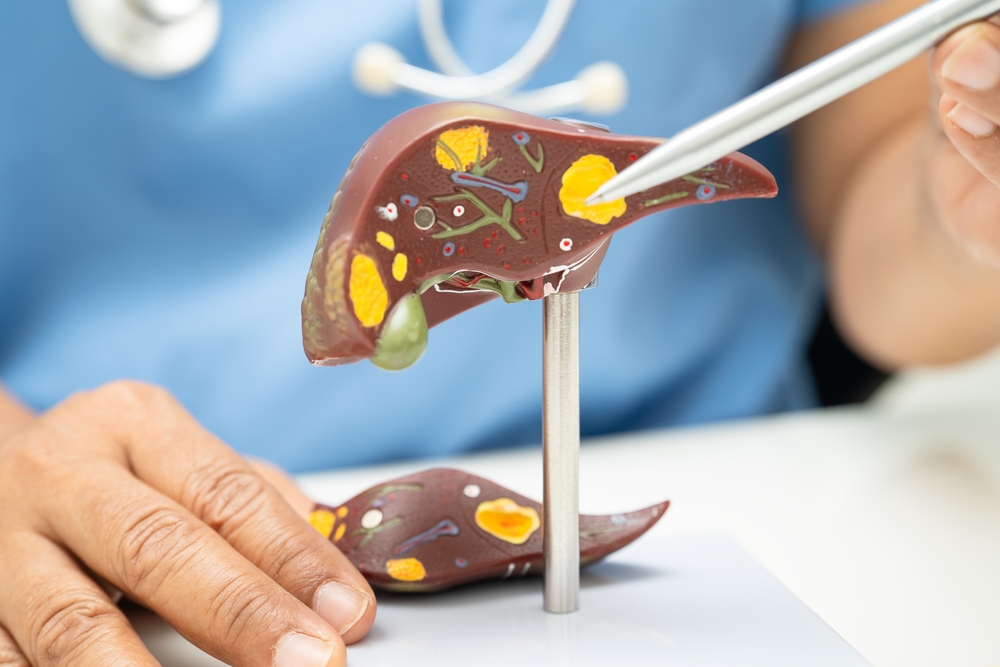
Fatty Liver Disease has emerged as one of the most prevalent lifestyle-related health conditions worldwide, affecting individuals across all age groups. Characterized by the excessive accumulation of fat in liver cells, this condition can range from benign to potentially life-threatening if left unaddressed. With rapid urbanization, sedentary lifestyles, and dietary imbalances, its incidence is steadily rising in India.
The encouraging aspect, however, is that fatty liver disease is largely preventable and, in its early stages, reversible. Understanding its causes, recognizing early warning signs, and adopting simple yet effective treatment strategies can significantly improve liver health and overall well-being.
WHAT IS FATTY LIVER DISEASE?
Fatty Liver Disease, medically termed hepatic steatosis, occurs when fat constitutes more than 5-10% of the liver's weight. It is broadly classified into two types:
- Non-Alcoholic Fatty Liver Disease (NAFLD): Occurs in individuals who consume little to no alcohol
- Alcoholic Fatty Liver Disease (AFLD): Caused by excessive alcohol intake
NAFLD is further categorized into:
- Simple fatty liver: Fat accumulation without inflammation
- Non-Alcoholic Steatohepatitis (NASH): Fat accumulation with inflammation and liver damage
If untreated, NASH may progress to fibrosis, cirrhosis, or even liver cancer, making early diagnosis crucial.
CAUSES OF FATTY LIVER DISEASE
Fatty liver disease is primarily linked to metabolic and lifestyle factors. The most common causes include:
- Obesity and Overweight: Excess body fat contributes directly to fat deposition in the liver
- Sedentary Lifestyle: Lack of physical activity reduces fat metabolism
- High-Calorie Diet: Diets rich in processed foods, sugars, and unhealthy fats
- Diabetes and Insulin Resistance: Strongly associated with NAFLD
- High Cholesterol and Triglycerides: Promote fat accumulation in liver tissues
- Excessive Alcohol Consumption: A major factor in alcoholic fatty liver disease
- Rapid Weight Loss: Sudden metabolic changes can impact liver function
Additionally, certain medications and genetic predispositions may also increase susceptibility.
SYMPTOMS TO WATCH FOR
Fatty liver disease is often referred to as a “silent condition” because it may not present noticeable symptoms in its early stages. However, as it progresses, individuals may experience:
- Persistent fatigue or weakness
- Discomfort or pain in the upper right abdomen
- Unexplained weight loss
- Loss of appetite
- Mild jaundice (in advanced cases)
- Swelling in the abdomen or legs (in severe stages)
Because symptoms are subtle, regular health check-ups are essential, especially for individuals with risk factors.
HOW IS FATTY LIVER DIAGNOSED?
Diagnosis typically involves a combination of clinical evaluation and diagnostic tests:
- Blood Tests: To assess liver enzymes and overall liver function
- Ultrasound Imaging: A primary tool for detecting fat accumulation
- FibroScan: Measures liver stiffness and fat content
- CT Scan or MRI: Used in complex cases
- Liver Biopsy: Recommended in advanced or uncertain cases
Consulting a qualified surgical gastroenterologist in Vijayawada ensures accurate diagnosis and appropriate management of fatty liver disease and related conditions.
SIMPLE AND EFFECTIVE TREATMENT APPROACHES
The cornerstone of fatty liver management lies in lifestyle modification and medical guidance. Here are some proven strategies:
- Dietary Changes
Adopting a balanced, nutrient-rich diet can significantly reduce liver fat:
- Increase intake of fruits, vegetables, and whole grains
- Choose lean proteins such as fish and legumes
- Avoid processed foods, sugary beverages, and trans fats
- Limit refined carbohydrates
- Regular Physical Activity
Exercise plays a vital role in reversing fatty liver:
- Aim for at least 30-45 minutes of moderate exercise daily
- Include both aerobic activities and strength training
- Maintain consistency rather than intensity
- Weight Management
Gradual and sustained weight loss can improve liver health:
- Target a weight reduction of 7-10% over time
- Avoid crash dieting or extreme calorie restriction
- Control of Underlying Conditions
Managing associated conditions is crucial:
- Maintain optimal blood sugar levels in diabetes
- Control cholesterol and triglyceride levels
- Monitor blood pressure
- Avoid Alcohol and Toxins
Even minimal alcohol intake can worsen liver damage in affected individuals. Eliminating alcohol is strongly recommended.
WHEN TO CONSULT A SPECIALIST
While lifestyle changes are effective, professional evaluation is essential for proper guidance and monitoring. Individuals with persistent symptoms or risk factors should seek expert care from a liver specialist in Vijayawada or a qualified Hepatologist in Vijayawada. Early intervention can prevent disease progression and complications.
For comprehensive care, consulting a reputed Gastroenterologist in Vijayawada ensures access to advanced diagnostic tools and personalized treatment plans.
PREVENTION: PROTECTING YOUR LIVER HEALTH
Prevention is always better than cure, especially when it comes to liver health. Here are some practical preventive measures:
- Maintain a healthy body weight
- Follow a balanced and portion-controlled diet
- Exercise regularly
- Avoid excessive alcohol consumption
- Stay hydrated
- Undergo periodic health screenings
Simple lifestyle adjustments can go a long way in preventing fatty liver disease and promoting long-term health.
ADVANCED CARE AND EXPERT SUPPORT
For individuals seeking specialized treatment, choosing the right healthcare facility is crucial. The Best gastro hospital in Vijayawada offers state-of-the-art diagnostic and therapeutic services tailored to individual needs.
Experienced professionals like Dr.Pavan Velineni at Vise Hospital are known for their expertise in managing liver and gastrointestinal conditions with a patient-centric approach. Their focus on early diagnosis, advanced treatment modalities, and continuous monitoring ensures optimal outcomes for patients.
CONCLUSION
Fatty Liver Disease is a growing health concern, but it is also one of the most manageable and reversible conditions when detected early. By understanding its causes, recognizing subtle symptoms, and implementing simple lifestyle changes, individuals can effectively safeguard their liver health.
Timely consultation with specialists, combined with consistent self-care, can prevent complications and improve quality of life. Prioritize your liver health today—because a healthy liver is fundamental to a healthy life.
Reach Us

24x7 helpline number
Support, guidance, crisis, safety, accessibility, empathy, connection, resources, awareness, empowerment.
+91 6262627799