

Vise hospital centre, Pantakalava cross road, Kanuru,
Tadigadapa,
Vijayawada,
Andhra Pradesh - 520007
Irregular Periods
Irregular Periods: Causes & Treatment for Fibroids, PCOD, PCOS
Irregular periods, also known as oligomenorrhea or polymenorrhea, can disrupt a woman's health and daily life, often caused by hormonal imbalances, stress, weight fluctuations, or underlying conditions like PCOS or thyroid disorders. At Vise Hospitals, we offer comprehensive evaluations under the Best Gynecologist in Vijayawada to identify the root cause of irregular menstruation and provide personalized treatment plans that may include lifestyle modifications, medication, or hormonal therapy. Our experienced specialists prioritize patient comfort and confidentiality, ensuring timely diagnosis at Best Gynecology Hospital in Vijayawada and effective management. Regular check-ups at Vise Hospitals help women regain menstrual regularity and overall well-being, empowering them to lead healthier, confident lives.
What to do?
- See a Specialist - Consult a gynecologist or a primary care doctor and share your concerns. They may perform tests to find the cause of irregular periods.
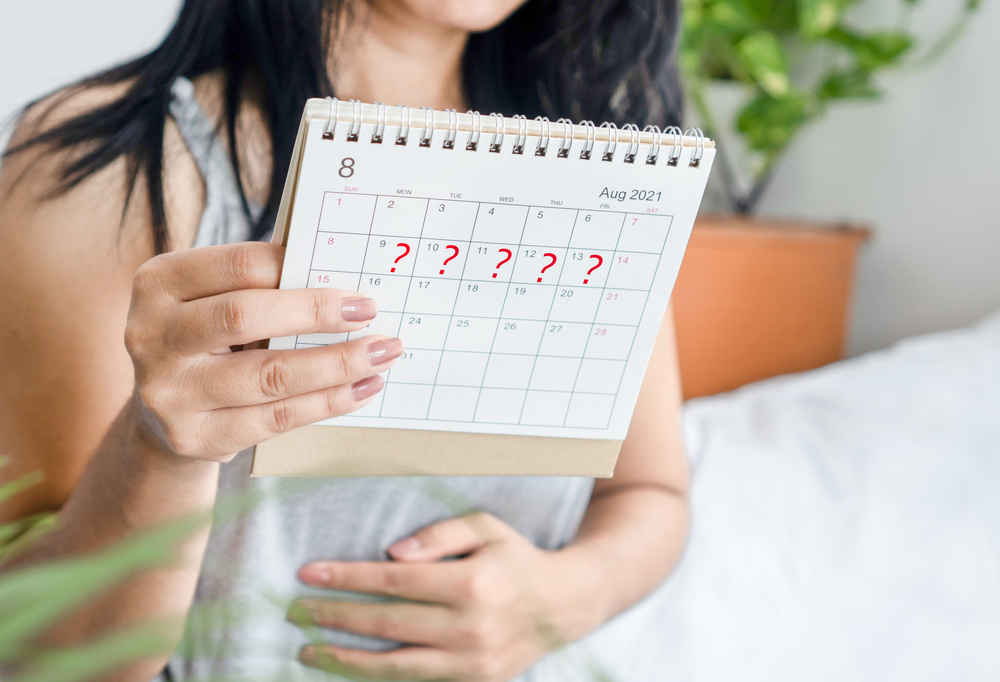
- Track your cycle - Keeping a record of your period dates, symptoms, and flow using a period tracking app or journal is essential for providing your healthcare provider with valuable insights into your menstrual cycle, enabling them to customize your treatment plan effectively.
- Implement lifestyle changes - Adopt a nutritious diet that emphasizes iron-rich foods, leafy vegetables, and whole grains to support overall health. Incorporate consistent, moderate exercise into your routine, being cautious not to overdo it, as excessive activity can interfere with hormonal balance. Use stress-reduction methods such as yoga, meditation, or deep breathing exercises to help lower stress levels. Prioritize getting 7-8 hours of restful sleep each night to promote hormonal regulation and well-being. Additionally, Gynecologist in Vijayawada also advices to maintain a healthy weight, since significant deviations—either underweight or overweight—can negatively impact your menstrual cycle.
Potential Causes
- Polycystic ovary syndrome (PCOS) is a common hormonal disorder that often causes irregular periods, impacting a woman's reproductive health. Women with PCOS typically experience infrequent, irregular, or prolonged menstrual cycles due to hormonal imbalances, particularly elevated levels of androgens and insulin resistance. These hormonal disruptions interfere with ovulation, leading to missed or irregular periods, which can also increase the risk of infertility, endometrial hyperplasia, and metabolic issues like diabetes. The symptoms of PCOS extend beyond menstrual irregularities, often including weight gain, acne, hair thinning or excessive hair growth, and ovarian cysts visible on ultrasound. Managing PCOS involves lifestyle modifications such as a balanced diet and regular exercise, which help regulate insulin levels and menstrual cycles. Medications like hormonal contraceptives can also help normalize periods and reduce symptoms, PCOS treatment in Vijayawada may address insulin resistance or fertility concerns. Early diagnosis and treatment are crucial for reducing long-term health risks, improving quality of life, and restoring hormonal balance. Women experiencing irregular periods should consult a healthcare provider for proper evaluation, as PCOS is a complex condition requiring personalized management strategies PCOD treatment in Vijayawada.
- Fibroids, also known as uterine leiomyomas, are benign tumors that develop within the muscular wall of the uterus, often leading to irregular menstrual cycles. These growths can vary in size and number, and their presence may disrupt normal uterine function, causing irregular periods, heavy bleeding, and sometimes prolonged menstruation. The irregularity stems from fibroids interfering with the normal shedding of the uterine lining or pressing on adjacent blood vessels and tissues, which can alter menstrual flow and timing. Women with fibroids might experience cycles that are unpredictable or skip periods altogether. Besides menstrual changes, fibroids can also cause symptoms such as pelvic pain, pressure, and sometimes urinary or bowel issues, depending on their size and location. Diagnosis typically involves pelvic examination and imaging tests like ultrasound or MRI. Fibroids treatment in Vijayawada ranges from medical management, including hormonal therapies that regulate bleeding, to surgical interventions like myomectomy or hysterectomy for larger or symptomatic fibroids. Understanding the link between fibroids and irregular periods is crucial for effective management, as addressing the underlying cause can significantly improve quality of life and reproductive health. Early diagnosis and tailored treatment plans can help women regain normal menstrual function and alleviate associated symptoms.
- Thyroid imbalances, particularly hypothyroidism and hyperthyroidism, significantly influence menstrual regularity, often causing irregular periods, heavy bleeding, or missed cycles. An underactive thyroid can slow down hormonal production, leading to infrequent or absent periods, while overactivity may cause lighter or more frequent bleeding. Addressing thyroid health through appropriate testing and treatment is crucial for restoring menstrual balance, improving overall well-being, and reducing associated symptoms like fatigue and mood swings.
- Stresscan disrupt the hormonal balance responsible for regulating the menstrual cycle, often leading to irregular periods. When the body perceives stress, it releases hormones like cortisol, which can interfere with estrogen and progesterone production, causing missed, delayed, or irregular cycles. Chronic stress may also affect ovulation, further contributing to cycle irregularities. Managing stress through relaxation techniques, exercise, and proper sleep can help restore hormonal balance and regularity of periods.
- Diet plays a crucial role in regulating menstrual cycles, especially when periods are irregular. Consuming a balanced diet rich in whole grains, leafy greens, lean proteins, and healthy fats can help stabilize blood sugar levels and hormonal balance. Avoiding excessive caffeine, processed foods, and sugar may reduce hormonal fluctuations. Incorporating foods high in iron and vitamins D and B6 supports overall reproductive health, promoting more regular and predictable periods.
To effectively manage irregular periods, it is crucial to consult a qualified healthcare professional, such as gynecologist Dr. Sree Ramya Kantipudi, who can perform essential tests to identify underlying conditions like PCOS, thyroid disorders, or hormonal imbalances. For thorough and specialized care, consider visiting Vise Hospitals in Vijayawada, known for their advanced diagnostic facilities and dedicated women’s health services, ensuring you receive precise diagnosis and tailored treatment options.
Frequently Asked Questions (FAQs)
How can I manage PCOS effectively?
Managing PCOS involves lifestyle changes, medications, and sometimes hormonal therapy. Dr. Sree Ramya Kantipudi, gynecologist in Vijayawada, provides personalized treatment plans to help regulate menstrual cycles and manage associated symptoms.
Reach Us

24x7 helpline number
Support, guidance, crisis, safety, accessibility, empathy, connection, resources, awareness, empowerment.
+91 6262627799