

Vise hospital centre, Pantakalava cross road, Kanuru,
Tadigadapa,
Vijayawada,
Andhra Pradesh - 520007
Heavy periods
Heavy Menstrual Bleeding
Heavy periods, also known as menorrhagia, refer to excessive menstrual bleeding that can last longer than usual or require frequent changing of sanitary products. This condition is quite common among women and can significantly impact daily life. At VISE Hospital, Dr. Sree Ramya Kantipudi, a renowned Gynecologist in Vijayawada, emphasizes the importance of understanding the symptoms and seeking timely medical advice. Heavy periods may be caused by hormonal imbalances, fibroids, or other underlying health issues, making it essential to consult a specialist. Dr. Sree Ramya Kantipudi offers comprehensive treatment options for women experiencing abnormal bleeding, ensuring personalized care and effective management. Recognizing the signs early and consulting a trusted Gynecologist in Vijayawada can help prevent complications and improve overall reproductive health. With proper diagnosis and intervention, women can regain control over their menstrual health and well-being.
Causes of heavy menstrual bleeding
Several factors can cause heavy menstrual bleeding. Hormonal imbalances are one of the leading causes, especially conditions like PCOS (Polycystic Ovary Syndrome), which can disrupt the regular menstrual cycle. Women with PCOS often experience irregular and heavy periods.
Menorrhagia can be caused by a variety of factors.
- Hormonal imbalances, such as thyroid disorders or polycystic ovary syndrome, disrupting the regulation of menstrual cycles.
- Uterine fibroids or polyps that physically obstruct or weaken the uterine lining.
- Coagulopathies like von Willebrand disease affecting blood clotting during menstruation.
- Use of certain medications, such as anticoagulants or hormonal therapies, impacting bleeding patterns.
- Infections including pelvic inflammatory disease or tuberculosis affecting the reproductive organs.
- Endometrial hyperplasia, where the uterine lining becomes abnormally thick, leading to excessive bleeding.
- Malignancies such as uterine or cervical cancer that cause irregular or heavy bleeding.
- Structural abnormalities like septate or bicornuate uterus that interfere with normal menstrual flow.
- Stress and significant weight changes disrupting hormonal balance and menstrual regularity.
- Rare bleeding disorders or platelet abnormalities that impair proper blood clotting during menstruation.
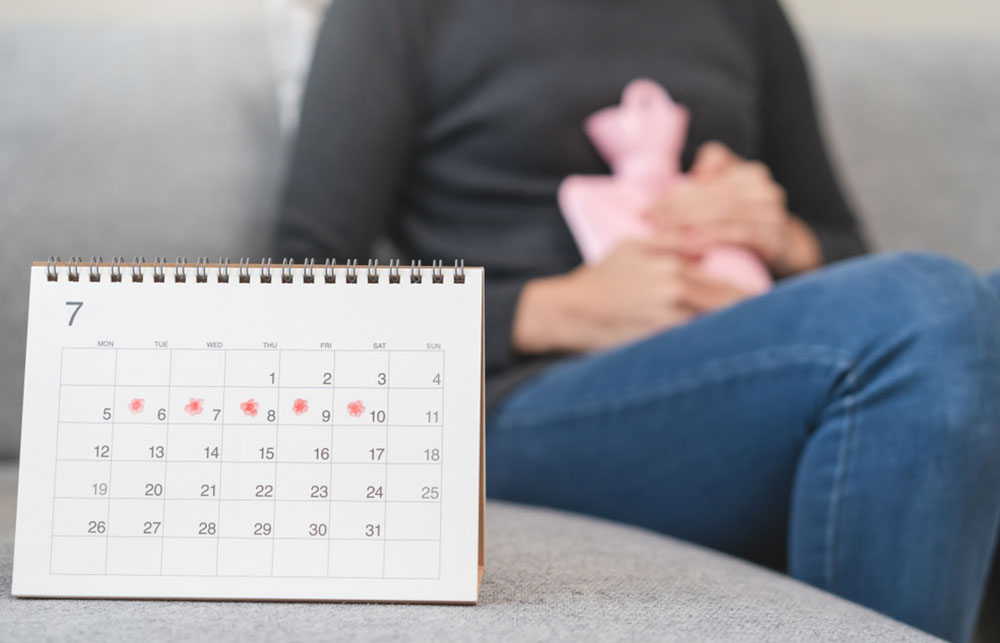
Sometimes, the cause remains unknown, which makes consultation with a gynecologist in Vijayawada essential for proper diagnosis.
Symptoms of heavy menstrual bleeding
The main symptom of heavy menstrual bleeding is periods that last longer than usual or involve soaking through sanitary products in less than an hour. Some women may have to change their sanitary pads frequently, which can be inconvenient and distressing.
- Excessive blood flow that soaks through sanitary products quickly or requires frequent changing.
- Prolonged menstrual periods lasting more than 7 days.
- Passing large blood clots during menstruation.
- Anemia symptoms such as fatigue, weakness, and pale skin due to blood loss.
- Abdominal or pelvic pain that may intensify with heavy bleeding.
- Unusual or heavy bleeding between menstrual cycles.
- Dizziness or shortness of breath during periods.
- Disruption of daily activities due to heavy menstrual flow.
If these symptoms persist, it is crucial to seek medical advice to prevent complications and improve quality of life.
Pcod/pcos & heavy periods – inter connectivity
Polycystic Ovary Syndrome (PCOS) and heavy periods are interconnected through hormonal imbalances that disrupt normal ovulation and endometrial shedding. In PCOS, excess androgens cause irregular or absent ovulation, leading to unpredictable bleeding patterns. When periods do occur, the uterine lining may become excessively thick due to incomplete shedding, resulting in heavy bleeding or menorrhagia. Additionally, insulin resistance common in PCOS can exacerbate hormonal imbalance, further aggravating menstrual irregularities. This complex relationship highlights the importance of managing hormonal health in PCOS to regulate menstrual flow and reduce discomfort, emphasizing the need for tailored medical interventions for women experiencing both conditions.
Treatment options for heavy menstrual bleeding
Treatment depends on the cause and severity of bleeding. For mild cases, lifestyle changes like maintaining a healthy weight and diet can help. Medications such as nonsteroidal anti-inflammatory drugs (NSAIDs) can reduce bleeding and pain. Hormonal therapies, including birth control pills, patches, or intrauterine devices (IUDs), are often prescribed to regulate periods. For women with underlying conditions like PCOS, specialized treatments such as PCOD treatment in Vijayawada are available, often involving hormonal regulation and lifestyle modifications. In more severe cases, surgical options like uterine artery embolization, endometrial ablation, or hysterectomy may be considered. Consulting a best gynecology hospital in Vijayawada ensures access to comprehensive care and advanced treatment options.
Management strategies for heavy menstrual bleeding
Effective management involves regular monitoring and personalized treatment plans. Women should maintain a healthy weight, follow a balanced diet, and avoid excessive physical or emotional stress. Regular check-ups with a gynecologist can help track progress and adjust treatments as needed. For women with PCOS, working with a PCOS specialist in Vijayawada can improve hormonal balance and reduce symptoms. Additionally, managing underlying conditions like thyroid issues or clotting disorders is vital. Using sanitary products that suit individual needs and maintaining good hygiene can also help prevent infections. Remember, early intervention and proper management can significantly reduce the impact of heavy menstrual bleeding on daily life.
Importance of awareness and early diagnosis
Raising awareness about heavy menstrual bleeding is crucial because many women ignore or accept it as normal. However, untreated menorrhagia can lead to anemia, fatigue, and other health problems. Educating women about the symptoms and encouraging regular gynecological visits can lead to early diagnosis and effective treatment. In cities like Vijayawada, access to specialized care by experts like Dr. Sree Ramya Kantipudi at Vise Hospital ensures women receive the best possible treatment. Knowledge about conditions like PCOS and the availability of PCOD treatment in Vijayawada empower women to seek help and improve their reproductive health.
Conclusion
Heavy menstrual bleeding is a common but manageable condition. Understanding its causes, recognizing the symptoms, and seeking prompt medical attention are key steps toward better health. Whether through lifestyle changes, medications, or surgical procedures, effective treatment options are available. Women should prioritize regular check-ups and consult experienced gynecologists in Vijayawada, who can provide personalized care. Raising awareness about this condition can help women lead healthier, more comfortable lives, free from the worries of heavy bleeding. Remember, early diagnosis and proper management can make a significant difference in health outcomes.
If you are experiencing heavy menstrual bleeding, don’t wait—early diagnosis and treatment can prevent complications. Consult Dr. Sree Ramya Kantipudi, our expert gynecologist at Vise Hospital, Vijayawada, for personalized care and effective solutions. Call us today or book your appointment online to take the first step towards better menstrual health.
Frequently Asked Questions (FAQs)
Why do heavy periods happen?
Heavy periods can occur due to hormonal imbalances, fibroids, bleeding disorders, or thyroid issues, disrupting normal uterine lining shedding and causing excessive menstrual flow.
Is PCOD related to heavy periods?
Polycystic Ovary Disease (PCOD) often correlates with heavy periods, as hormonal imbalance disrupts regular menstrual flow, causing irregular, prolonged, or heavy bleeding episodes.
When should I visit a gynecologist in Vijayawada?
Visit a gynecologist in Vijayawada if you experience irregular periods, severe cramps, unusual discharge, pregnancy concerns, or for routine check-ups and reproductive health advice.
Are heavy periods a sign of fibroids?
Heavy periods can indicate fibroids, which are non-cancerous uterine tumors. They may cause excessive bleeding, discomfort, and other symptoms, warranting medical evaluation.
Who is the best doctor for heavy periods treatment in Vijayawada?
For expert heavy periods treatment in Vijayawada, consult Dr. Sree Ramya Kantipudi, a renowned gynecologist at VISE Hospital known for personalized care, advanced techniques, and compassionate approach ensuring optimal health outcomes.
Reach Us

24x7 helpline number
Support, guidance, crisis, safety, accessibility, empathy, connection, resources, awareness, empowerment.
+91 6262627799