

Vise hospital centre, Pantakalava cross road, Kanuru,
Tadigadapa,
Vijayawada,
Andhra Pradesh - 520007
GIST
Gastrointestinal Stromal Tumor (GIST)
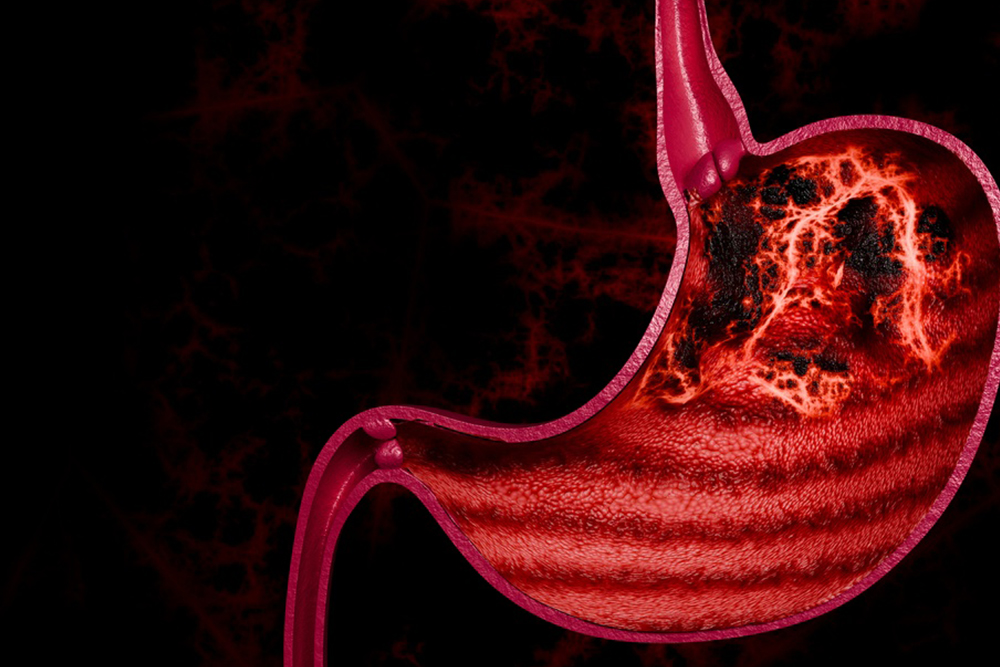
Gastrointestinal Stromal Tumor (GIST) is a rare type of tumour that develops in the digestive tract. It most commonly affects the stomach and small intestine, although it can occasionally occur in other parts of the gastrointestinal system. GIST develops from specialised cells in the digestive tract that help coordinate the movement of food through the digestive system.
Unlike many other digestive system cancers, GIST has distinct biological features that influence how it grows and responds to treatment. Some tumours grow slowly, while others can become aggressive and spread to nearby organs or distant parts of the body.
Early diagnosis and appropriate treatment are important for managing this condition. Advances in diagnostic imaging, surgical techniques, and targeted medicines have improved the treatment options available to patients. At VISE Hospital, patients can seek medical evaluation and guidance regarding the diagnosis and management of gastrointestinal tumours.
WHAT IS A GASTROINTESTINAL STROMAL TUMOR?
A Gastrointestinal Stromal Tumor is a type of soft tissue tumour that develops in the wall of the digestive tract. It usually originates from specialised cells known as interstitial cells of Cajal. These cells act like natural pacemakers, helping regulate the muscular contractions that move food through the digestive system.
GIST can develop anywhere along the digestive tract, but the stomach is the most frequently affected location. The small intestine is the next most common site. Most GISTs are associated with changes in certain genes, particularly KIT or PDGFRA. These genetic changes cause cells to grow and multiply abnormally. Identifying these changes helps doctors understand the tumour and select appropriate treatment.
A Gastro specialist in vijayawada can assess persistent digestive symptoms and recommend further investigations when a gastrointestinal tumour is suspected.
COMMON SYMPTOMS OF GIST
The symptoms of GIST depend on the tumour's size, location, and growth pattern. Small tumours may not produce noticeable symptoms and are sometimes discovered accidentally during scans or medical procedures performed for unrelated reasons.
As the tumour grows, it may cause digestive problems or internal bleeding.
Common symptoms include:
- Abdominal pain or discomfort that may persist over time.
- A feeling of fullness even after eating small amounts of food.
- Unexplained swelling or a lump in the abdomen.
- Nausea and vomiting.
- Blood in the stool, which may appear black or tar-like.
- Vomiting blood in cases of significant gastrointestinal bleeding.
- Unexplained tiredness caused by anaemia.
- Unintentional weight loss or reduced appetite.
Some patients may experience sudden symptoms due to bleeding or obstruction in the digestive tract. Severe abdominal pain, vomiting blood, or black stools should receive immediate medical attention. These symptoms can also occur with several other digestive conditions. Therefore, medical evaluation is necessary to identify the underlying cause.
CAUSES AND RISK FACTORS OF GIST
GIST usually develops because of genetic changes that affect the normal growth and division of cells in the digestive tract. In most patients, these changes occur during their lifetime rather than being inherited from their parents. Mutations in the KIT gene are responsible for a large proportion of GIST cases. Some tumours develop due to changes in the PDGFRA gene, while others may have different molecular characteristics.
GIST is more commonly diagnosed in adults, particularly those over the age of 50. However, it can occur in younger individuals as well. Rare inherited conditions, including familial GIST syndrome, neurofibromatosis type 1, and Carney-Stratakis syndrome, can increase the likelihood of developing this tumour.
In most cases, there is no clearly identifiable lifestyle-related cause. Having a GIST does not necessarily mean that a person has an inherited cancer condition.
HOW IS GIST DIAGNOSED?
Accurate diagnosis is essential because GIST requires a different treatment approach from many other gastrointestinal tumours. A Gastroenterologist in Vijayawada may recommend a combination of imaging, endoscopic procedures, and tissue testing to confirm the diagnosis.
The diagnostic process may include the following investigations.
- Ultrasound: An abdominal ultrasound may help identify an abnormal growth or swelling. It can provide initial information about the abdominal organs, although additional tests are usually needed.
- CT Scan: A contrast-enhanced CT scan helps identify the tumour's location, size, and relationship with surrounding structures. It also helps assess whether the disease has spread to other organs, particularly the liver and abdominal lining.
- Upper Gastrointestinal Endoscopy: During this procedure, a flexible camera is passed through the mouth to examine the oesophagus, stomach, and upper part of the small intestine. It may reveal an abnormal bulge or growth beneath the digestive tract lining.
- Endoscopic Ultrasound (EUS): This investigation combines endoscopy with ultrasound imaging. It helps doctors examine the different layers of the digestive tract wall and assess tumours arising beneath the inner lining. A tissue sample may be collected when appropriate.
- Biopsy and Molecular Testing: A tissue sample is examined under a microscope to identify the tumour type. Special laboratory tests, including immunohistochemistry for markers such as CD117 (KIT) and DOG1, help confirm GIST. Molecular testing can identify specific genetic changes that guide treatment decisions.
TREATMENT OPTIONS FOR GASTROINTESTINAL STROMAL TUMOR
The treatment plan depends on several factors, including tumour size, location, growth rate, genetic characteristics, and whether the disease has spread. Some small, low-risk tumours may be monitored carefully, while others require active treatment.
Patients seeking Stomach tumour treatment in Vijayawada should receive an individualised assessment to determine the most appropriate management strategy.
Treatment generally involves surgery, targeted medicines, or a combination of both.
-
Surgical Treatment
Surgery is often the preferred treatment for localised GISTs that can be safely removed. The main objective is to remove the tumour completely while preserving as much healthy digestive tissue as possible. Depending on the tumour's location, the surgeon may remove a portion of the stomach, small intestine, or another affected section of the digestive tract.
Unlike some other gastrointestinal cancers, extensive removal of nearby lymph nodes is generally not required for typical GIST because lymph node spread is uncommon.
Minimally invasive surgery: Selected patients may be suitable for laparoscopic surgery, which uses small abdominal incisions and specialised instruments. Robotic-assisted surgery may also be considered in appropriate cases. The choice depends on tumour size, location, and surgical complexity.
GIST surgery in vijayawada requires careful planning to avoid damaging the tumour during removal. Tumour rupture can increase the risk of cancer recurrence within the abdomen, making surgical expertise particularly important.
-
Targeted Drug Therapy
GIST is different from many other cancers because certain genetic changes make it responsive to medicines that specifically block abnormal growth signals. Imatinib is a commonly used targeted medicine for GISTs with sensitive KIT or PDGFRA mutations. It may be prescribed after surgery to reduce the risk of recurrence in selected high-risk patients.
It can also be given before surgery when a tumour is large or difficult to remove. This approach, known as neoadjuvant therapy, may help shrink the tumour and make surgery more manageable. For advanced or metastatic GIST, targeted medicines may help control tumour growth. Other drugs, such as sunitinib, regorafenib, ripretinib, or avapritinib, may be recommended depending on previous treatment response and the tumour's genetic profile.
-
Treatment for Advanced GIST
When GIST spreads to other organs or returns after treatment, management becomes more complex. Targeted medicines are usually an important part of treatment. In selected patients, surgery or local procedures may also be considered to manage specific areas of disease.
Regular imaging and specialist follow-up help doctors assess how well treatment is working and whether changes are required.
RECOVERY AND FOLLOW-UP CARE
Recovery after GIST surgery depends on the type of operation, tumour location, and the patient's general health. Patients may initially require hospital observation, pain management, and nutritional support before gradually returning to normal activities. After treatment, regular follow-up is essential because GIST can sometimes recur. Doctors may recommend periodic CT scans or other imaging tests based on the tumour's risk category.
Patients taking targeted medicines should attend scheduled appointments to monitor treatment response and identify possible side effects. These may include nausea, swelling, fatigue, skin changes, or other medication-related effects. Choosing Gastro hospitals in Vijayawada with appropriate diagnostic facilities and access to coordinated specialist care can help patients receive a structured approach to treatment and follow-up.
WHY EARLY DIAGNOSIS MATTERS
GIST may remain unnoticed during its early stages because small tumours often produce no symptoms. However, early identification can help doctors assess the tumour's risk and determine whether monitoring, surgery, or medication is necessary. Persistent abdominal discomfort, unexplained anaemia, gastrointestinal bleeding, or a feeling of fullness should not be ignored. Timely medical consultation allows patients to understand their condition and explore suitable treatment options.
CONSULT VISE HOSPITAL FOR GIST EVALUATION AND TREATMENT
A diagnosis of GIST can raise several questions about treatment, surgery, and long-term recovery. Understanding the tumour's location, genetic characteristics, and risk level is essential for selecting the right treatment approach. At VISE Hospital, patients can seek professional guidance for gastrointestinal tumour evaluation, diagnostic investigations, and treatment planning.
Consult a specialist at VISE Hospital today for an appropriate assessment and personalised care for Gastrointestinal Stromal Tumor.
Frequently Asked Questions (FAQs)
1. Is Gastrointestinal Stromal Tumor a type of cancer?
GIST is a type of tumour that can be benign or malignant in its behaviour. Its risk is assessed using factors such as tumour size, location, cell division rate, and whether tumour rupture has occurred.
2. Can GIST develop in the stomach?
Yes. The stomach is the most common location for GIST. However, it can also develop in the small intestine and, less commonly, other parts of the digestive tract.
3. Is surgery necessary for every GIST patient?
No. Some small tumours with low-risk features may be monitored through regular imaging. Larger, growing, or higher-risk tumours may require surgery or other treatment.
4. Can GIST spread to other parts of the body?
Yes. Although some GISTs grow slowly, higher-risk tumours can spread, most commonly to the liver and the lining of the abdominal cavity.
5. Can GIST return after treatment?
Yes. Recurrence is possible, particularly in patients with higher-risk tumours. Regular follow-up scans and medical reviews help detect recurrence and guide further treatment.
Reach Us

24x7 helpline number
Support, guidance, crisis, safety, accessibility, empathy, connection, resources, awareness, empowerment.
+91 6262627799