

Vise hospital centre, Pantakalava cross road, Kanuru,
Tadigadapa,
Vijayawada,
Andhra Pradesh - 520007
Colorectal Cancer
What Is Colorectal Cancer Or Colon Cancer?
Colorectal cancer is one of the commonly diagnosed cancers affecting the digestive system. It develops in the colon (large intestine) or rectum, which together form the lower part of the digestive tract. The condition often begins as small growths called polyps on the inner lining of the intestine. Although most polyps are not cancerous, some can gradually develop into cancer if they are not identified and treated.
Early detection plays an important role in the successful management of colorectal cancer. Understanding its warning signs, undergoing appropriate diagnostic tests, and receiving timely treatment can help patients make informed decisions about their health. With advancements in cancer care and minimally invasive surgical techniques, several treatment options are now available.
At VISE Hospital, patients can seek medical guidance for understanding colorectal cancer, its diagnosis, and the available treatment approaches.
WHAT IS COLORECTAL CANCER?
Colorectal cancer occurs when abnormal cells grow uncontrollably in the colon or rectum. The colon absorbs water and nutrients from partially digested food, while the rectum stores waste before it leaves the body. Cancer can develop in either of these areas and may spread to nearby tissues, lymph nodes, or distant organs if left untreated.
In many cases, colorectal cancer develops slowly over several years. It may begin with non-cancerous polyps that gradually undergo changes and become malignant. Since early-stage disease may not produce noticeable symptoms, regular screening is important, particularly for people with increased risk.
A Colorectal surgeon in Vijayawada can evaluate patients with suspected colorectal conditions and help determine whether further investigation or surgical treatment is required.
COMMON SYMPTOMS OF COLORECTAL CANCER
The symptoms of colorectal cancer can vary depending on the location, size, and stage of the tumour. Some people may not experience any symptoms during the early stages. However, certain changes in bowel habits and digestive health should not be ignored.
Common warning signs include:
- Persistent changes in bowel habits, such as diarrhoea, constipation, or narrower stools.
- Blood in the stool or bleeding from the rectum.
- Recurrent abdominal discomfort, cramps, or bloating.
- A feeling that the bowel has not emptied completely after passing stool.
- Unexplained weight loss without changes in diet or physical activity.
- Persistent tiredness or weakness, sometimes caused by anaemia.
- Reduced appetite or unexplained changes in overall health.
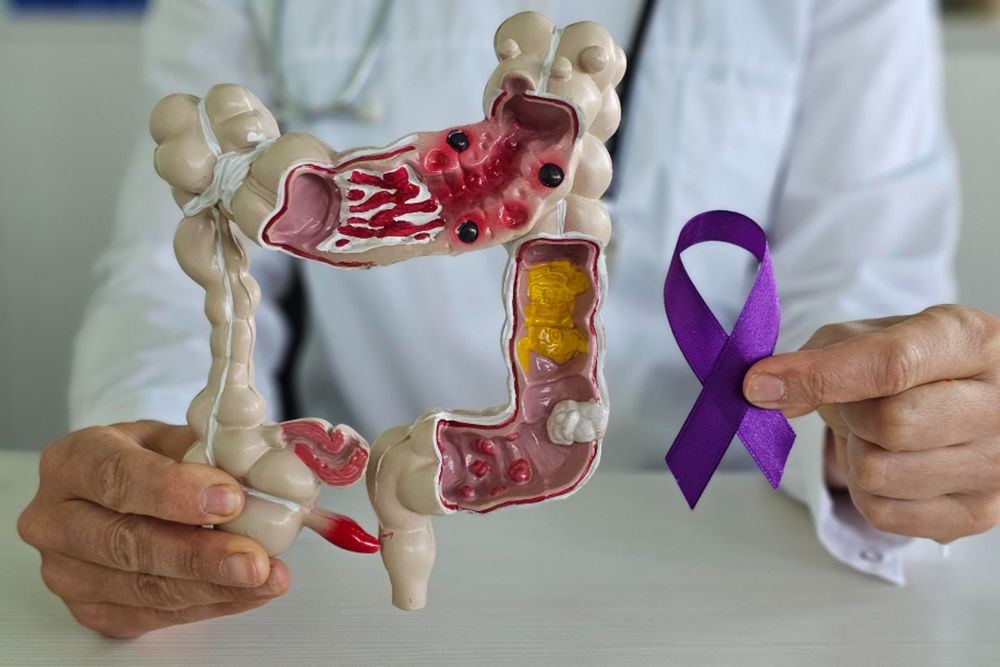
These symptoms do not always indicate cancer. Conditions such as haemorrhoids, infections, and inflammatory bowel disease can cause similar problems. However, persistent or unexplained symptoms should be evaluated by a doctor rather than ignored.
CAUSES AND RISK FACTORS
There is no single cause of colorectal cancer. It usually develops due to changes in the DNA of cells lining the colon or rectum. Certain factors can increase the likelihood of developing the disease.
Age is an important risk factor, with the chances generally increasing as people grow older. However, colorectal cancer can also affect younger adults. A family history of colorectal cancer or inherited conditions such as Lynch syndrome and familial adenomatous polyposis can increase individual risk.
Other contributing factors include long-term inflammatory bowel diseases, obesity, physical inactivity, smoking, excessive alcohol consumption, and diets high in processed meat. A diet low in fibre may also contribute to an increased risk.
Not everyone with these risk factors develops cancer, and some patients have no identifiable risk factors. Understanding personal risk and discussing appropriate screening with a healthcare professional can support early detection.
HOW IS COLORECTAL CANCER DIAGNOSED?
Accurate diagnosis is essential for identifying the location of cancer, determining its extent, and planning appropriate treatment. Patients seeking Colon cancer treatment in Vijayawada should undergo a detailed medical evaluation before a treatment plan is recommended.
The diagnostic process generally involves the following investigations.
- Colonoscopy: This is one of the most important tests for examining the colon and rectum. A thin, flexible tube with a camera is inserted through the anus to view the intestinal lining. If abnormal growths or polyps are found, they may be removed or a small tissue sample may be collected.
- Biopsy: A biopsy involves examining a small sample of tissue under a microscope. It helps confirm whether abnormal cells are cancerous and identifies the type of cancer.
- CT Scan and MRI: Imaging tests help determine the size and location of the tumour and assess whether cancer has spread to surrounding structures or other organs. MRI is particularly useful for evaluating rectal cancer.
- Blood Tests: Blood investigations help assess overall health, blood counts, liver and kidney function. A tumour marker called carcinoembryonic antigen (CEA) may also be measured to establish a baseline and monitor treatment response.
- Additional Investigations: Depending on the findings, doctors may recommend other imaging tests or molecular tests to understand the cancer better and guide treatment decisions.
TREATMENT OPTIONS FOR COLORECTAL CANCER
Treatment depends on several factors, including the location of the tumour, cancer stage, general health of the patient, and whether the disease has spread. A multidisciplinary team involving surgeons, medical oncologists, radiation oncologists, and other specialists may work together to develop an individualised treatment plan.
A Surgical gastroenterologist in Vijayawada plays an important role in assessing whether an operation is required and identifying the most suitable surgical approach.
Treatment may involve surgery, chemotherapy, radiation therapy, targeted therapy, or a combination of these approaches.
For patients diagnosed with Rectal cancer in Vijayawada, treatment planning may involve additional considerations because the rectum is located close to important pelvic structures. Depending on the stage, chemotherapy and radiation therapy may be recommended before surgery to shrink the tumour and improve the chances of effective treatment.
SURGICAL TREATMENT FOR COLORECTAL CANCER
Surgery is a major treatment option for many patients with localised colorectal cancer. The main objective is to remove the cancerous portion of the intestine along with nearby lymph nodes that may contain cancer cells.
The type of operation depends on the tumour's location and extent.
- 1. Colectomy: This procedure involves removing the affected portion of the colon. The remaining healthy sections of the intestine may be joined together to restore normal bowel continuity whenever possible.
- 2. Low Anterior Resection: This operation is commonly performed for certain rectal cancers. The cancer-containing portion of the rectum is removed, and the remaining colon is connected to the lower rectum or anus.
- 3. Abdominoperineal Resection (APR): When a tumour is located very close to the anus or involves the anal sphincter, removal of the rectum and anus may be necessary. In such cases, a permanent colostomy is created.
- 4. Minimally Invasive Surgery: Laparoscopic and robotic-assisted procedures may be suitable for selected patients. These techniques use smaller incisions and specialised instruments to perform the operation. Potential benefits include reduced wound size and shorter hospital stays, although outcomes depend on the patient's condition and the complexity of surgery.
- 5. Stoma Formation: In some cases, the surgeon may create an opening in the abdomen called a stoma to allow stool to pass into an external collection bag. Depending on the surgical procedure and healing, the stoma may be temporary or permanent.
Patients looking for a Gastroenterology hospital in Vijayawada should consider the availability of appropriate diagnostic facilities, surgical expertise, and coordinated cancer care.
RECOVERY AND FOLLOW-UP AFTER SURGERY
Recovery after colorectal cancer surgery varies depending on the procedure, the patient's general health, and whether additional treatment is required. Patients may initially receive fluids and nutrition through medical support before gradually returning to a normal diet.
Early movement, appropriate pain management, wound care, and nutritional guidance are important parts of recovery. Patients with a stoma may receive assistance from a specialised stoma care nurse to learn how to manage it comfortably.
Regular follow-up appointments are essential after treatment. Doctors may recommend periodic physical examinations, blood tests, colonoscopy, and imaging investigations to monitor recovery and identify any signs of recurrence.
A GI oncologist in Vijayawada can help coordinate cancer-related treatment, monitor progress, and guide patients regarding further therapies when needed.
CAN COLORECTAL CANCER BE PREVENTED?
Although not every case can be prevented, certain lifestyle choices and screening practices may reduce the risk or help detect cancer early.
Maintaining a healthy weight, exercising regularly, eating a fibre-rich diet with vegetables and fruits, limiting processed and red meat, avoiding tobacco, and reducing alcohol consumption can support digestive health.
People with an average risk are generally advised to begin colorectal cancer screening at age 45, although individual recommendations may differ depending on family history, medical conditions, and local clinical guidance. Individuals with increased risk may need earlier or more frequent screening.
TAKE THE RIGHT STEP TOWARDS BETTER COLORECTAL HEALTH
Colorectal cancer can be managed more effectively when identified early and treated with an appropriate medical and surgical approach. Persistent changes in bowel habits, rectal bleeding, or unexplained weight loss should never be overlooked.
At VISE Hospital, seek professional medical evaluation and discuss the diagnostic and treatment options available for colorectal cancer.
Consult a specialist today for timely assessment, personalised treatment guidance, and comprehensive colorectal cancer care.
Frequently Asked Questions (FAQs)
1. What is the difference between colon cancer and rectal cancer?
Colon cancer develops in the large intestine, while rectal cancer develops in the final section of the large intestine, just before the anus. Both are classified as colorectal cancer, but their treatment approaches may differ.
2. Can colorectal cancer develop without symptoms?
Yes. Early-stage colorectal cancer may not cause noticeable symptoms. This is why screening is important, particularly for people aged 45 and above and those with additional risk factors.
3. Is surgery always necessary for colorectal cancer?
Not always. Surgery is commonly recommended for localised colorectal cancer, but treatment depends on the stage, tumour location, and overall health of the patient. Some patients may require chemotherapy or radiation therapy as part of their treatment.
4. Will a patient need a permanent colostomy after colorectal cancer surgery?
No. Many patients do not require a permanent colostomy. Some may need a temporary stoma to allow the intestine to heal, while a permanent stoma may be necessary in certain cases depending on the tumour's location and surgical requirements.
5. Can colorectal cancer return after surgery?
Yes, colorectal cancer can sometimes recur even after successful surgery. Regular follow-up appointments, recommended screening tests, and monitoring help doctors identify possible recurrence and provide timely treatment.
Reach Us

24x7 helpline number
Support, guidance, crisis, safety, accessibility, empathy, connection, resources, awareness, empowerment.
+91 6262627799